How to Check Product Sizing Before Ordering
Compare the exact seller chart with measurements you understand. A familiar S, M, L or shoe-size label is only a starting point, not a universal fit standard.
Choose the exact seller chart, identify what it measures, and compare it with a similar item you already wear. Check units and the diagram before interpreting a size label.
What you will learn
- Flat width, circumference and body measurements are different.
- Foot length and insole length are not interchangeable.
- Ask for a measurement using the same start and end points.
First identify what the chart measures
Open the chart for the exact listing and chosen version. Check its unit, diagram and whether it describes body measurements or the finished product. A body chest circumference and a garment’s flat chest width are different values.
Record any stated measurement tolerance. Convert units consistently: 1 inch equals 2.54 cm. Do not compare a centimetre value with an inch value or reuse another seller’s chart.
Measure something whose fit you already like
Lay a comparable garment flat, fasten it as appropriate and measure without stretching. Follow the same start and end points as the seller’s diagram. Raglan sleeves, dropped shoulders and elastic waists need their own method.
| Item | Measurements to compare | Question to resolve |
|---|---|---|
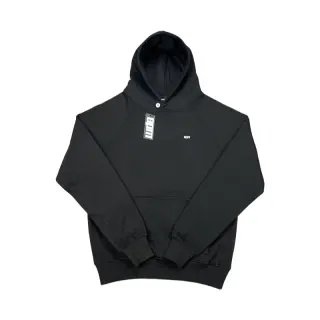
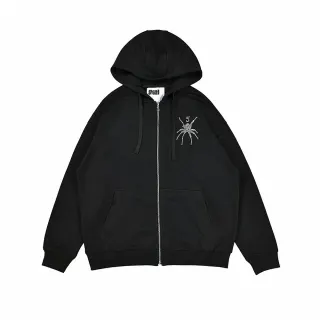
| Hoodie or sweatshirt | Chest width, body length, shoulder and sleeve | Flat garment or body measurement? |
| Puffer jacket or parka | Chest width, hem, back length and sleeve | Does a similar jacket fit over your intended layers? |
| Jeans or trousers | Waist, front rise, inseam and leg opening | Flat waist, circumference or stretched elastic? |
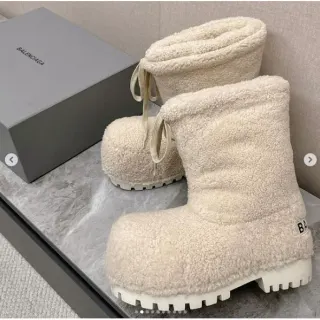
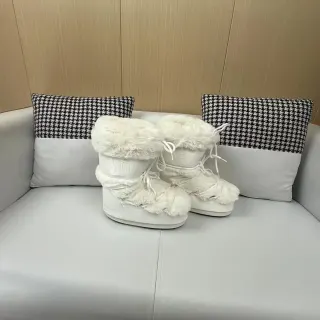
| Boots or shoes | Foot length and the chart’s stated method | Foot length, insole length or another reference? |
| Scarf | Length, width and included pieces | Does length include fringe? Is it a set? |
| Beanie | Circumference, depth and stated stretch range | Is it a fitted shape or stretch knit? |
Work through a comparison before choosing a size
Illustrative example only: your reference hoodie measures 58 cm across the chest and 69 cm in length. The exact seller chart lists option A at 56 cm / 68 cm and option B at 60 cm / 71 cm, measured the same way.
Option A is 2 cm narrower and 1 cm shorter than your reference. Option B is 2 cm wider and 2 cm longer. Those differences help you compare your preferred shape; they do not prove either option will fit. Check the other dimensions, cut, fabric information and the chart’s tolerance before deciding.
If the chart explicitly measures a flat width, doubling it gives an approximate garment circumference. This arithmetic does not turn it into a body-size recommendation or account for fabric thickness.
Check boots separately from clothing
Measure both feet using the seller’s stated method, and compare the relevant foot with that listing’s own chart. Verify the intended socks, lining, opening and fastening. Foot length and insole length are not interchangeable.
A size-label photograph can show the label received; it cannot reproduce comfort or internal space. Ask whether an appropriate measurement is available, how it is taken and whether it costs extra. Do not automatically size up every winter boot.
Compare winter layers as an outfit
Use an outer layer you already wear over a hoodie as the jacket reference. Compare its chest, hem and sleeve room with the selected listing instead of adding an arbitrary number of centimetres.
Check scarf dimensions and beanie circumference separately, even when they are sold as a set. Photos alone cannot verify stretch recovery, fibre composition, insulation or comfort.
Request a measurement that answers one question
A useful request is specific: “Please lay this jacket flat, fasten it and measure armpit to armpit using the seller’s diagram.” Ask for the tape’s start and end points to be visible. Confirm feasibility, cost and the service’s current return terms.
If a chart is missing or contradicts itself, resolve that before ordering. Keep the selected option and chart with the order reference, then compare any warehouse measurements with the same method.